
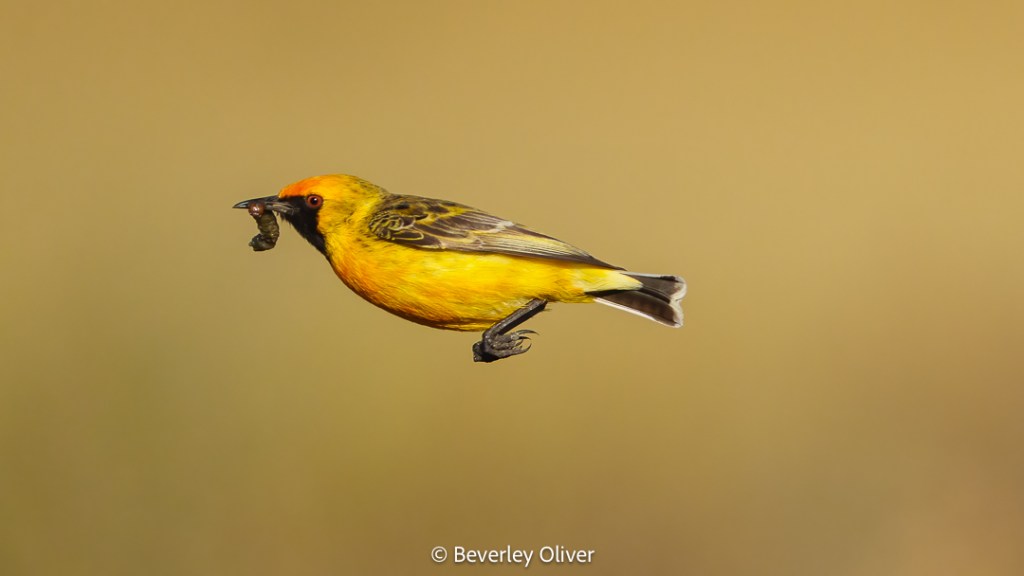
I signed up for a bird photography workshop with Shelley Pearson at Wooleen Station in the West Australian outback. I learnt so much – and not just about bird photography.
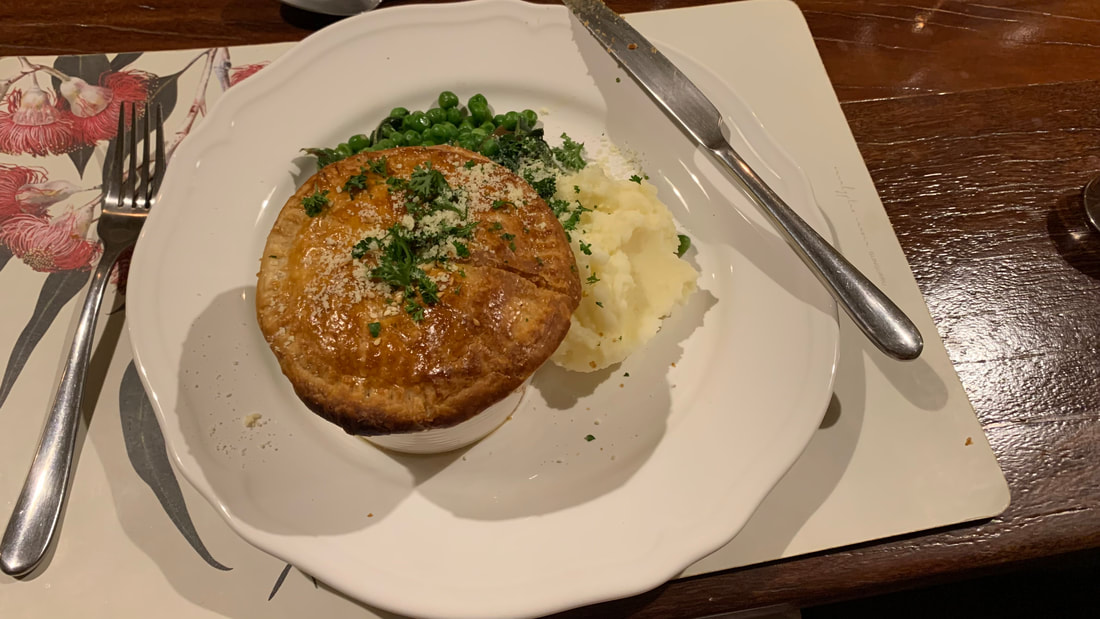
Wooleen Station is a 153,000 hectare property in the Murchison region, owned and managed at that time by David and Frances Pollock. Their mission was to regenerate the land and preserve the environment and all the creatures it sustains. Bravely, they destocked their station of cattle back in 2007 to give the perennial grasses a chance to return and flourish. They also ran a thriving hospitality business, and the centrepiece is the Homestead Stay wherein you get to live in the 1918 built homestead and enjoy ‘relaxed luxury’, including brilliant home-cooked meals….and that’s just what happened at the bird photography workshop….
LIFE AT THE HOMESTEAD
Five very impressive women were my companions for the five day workshop, and as well as being out in the field at dawn and sunset, we all seemed to enjoy lolling about in the homestead, finessing our photos, and enjoying our Edwardian-style bedrooms and shared bathrooms.
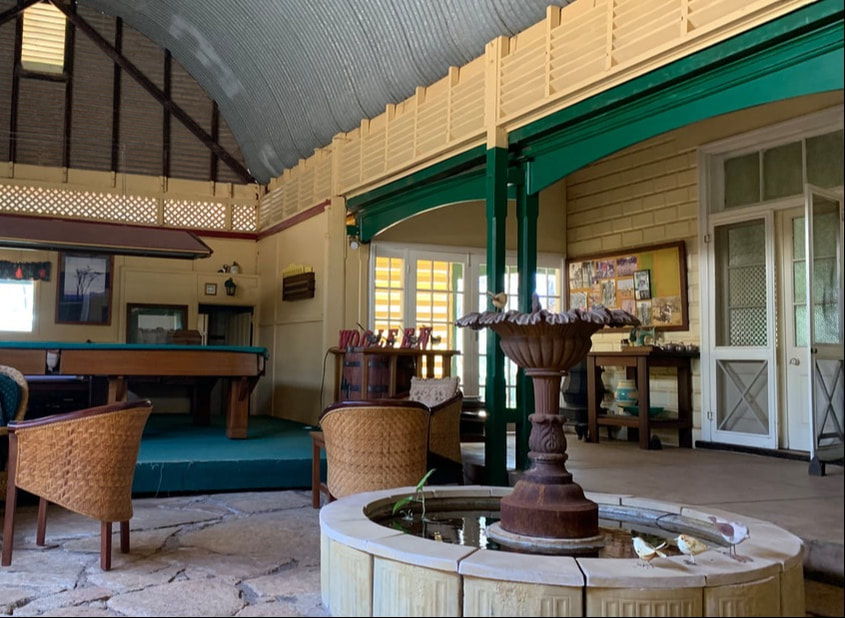
By 6.30 each evening, we gathered in the atrium for grazing, perhaps a glass of something interesting, and good conversation.
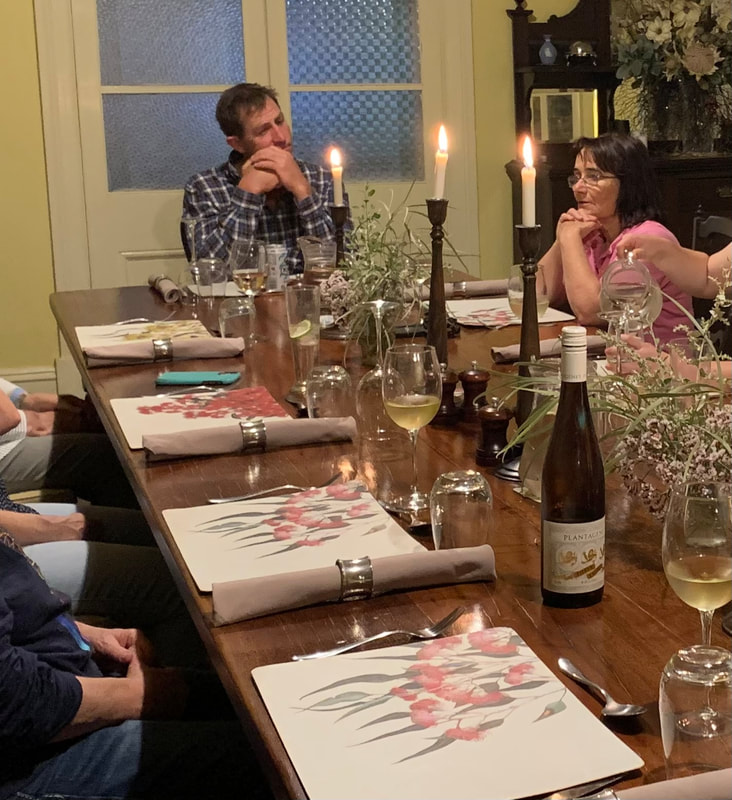
Dinner at 7.30 with David and Frances in the formal dining room was a daily highlight, and the meals were outstanding. The homestead and its surrounds are so charming and “olde worlde”, and the atmosphere is friendly, welcoming and convivial. I really felt at home after a very short time.
WHAT ABOUT THE PHOTOGRAPHY?
I learnt so much from Shelley Pearson, and from my companions too. Shelley had put in several days prep: birds were checked out for our sessions, perches prepared, and camo gear was at the ready.
With Shelley, I learnt four clear lessons about photographing birds:
Firstly, get up early. Yes, I had read that many times and even done it once or twice, but at Wooleen I really understood the quality and the quantity of the morning light, and just what a golden glow it creates. On our very first morning out in the field, we were focused on photographing the orange chats as they went about their routines in the samphire bushes. It was exhilarating to see them hunting and feeding their young in the golden light, and popping up on top of the bushes in full display.
Secondly, sit still. I have always been in the habit of walking around trying to photograph birds in the bush. And you do get to see birds that way. But at Wooleen, Shelley had us seated on our stools, with clear instructions about minimising movement and noise. I must say at first I felt quite constrained. But it worked! There I was down low, closer to the bird’s level, and confined to swivelling slowly on my stool to spot the gorgeous orange chats in the morning or evening light.
Third: shoot manual! Shelley had us properly shooting manual. I say properly because I sort of was already – but not really because I was leaving ISO on auto. Not any more! I now understand my camera better and its ability to balance (1) exposure compensation, (2) shutter speed, (3) ISO and (4) aperture. And very soon, that all had me reaching for my monopod, something else I have rarely done before. So now with that extra monopod support and its steadying influence, I can be more experimental with shutter speed.
As well as leading us in the field, Shelley was available throughout the workshop for individual advice, and she was very generous with her time. I certainly feel as though I learnt a great deal and now I just need to practise, practise, practise!
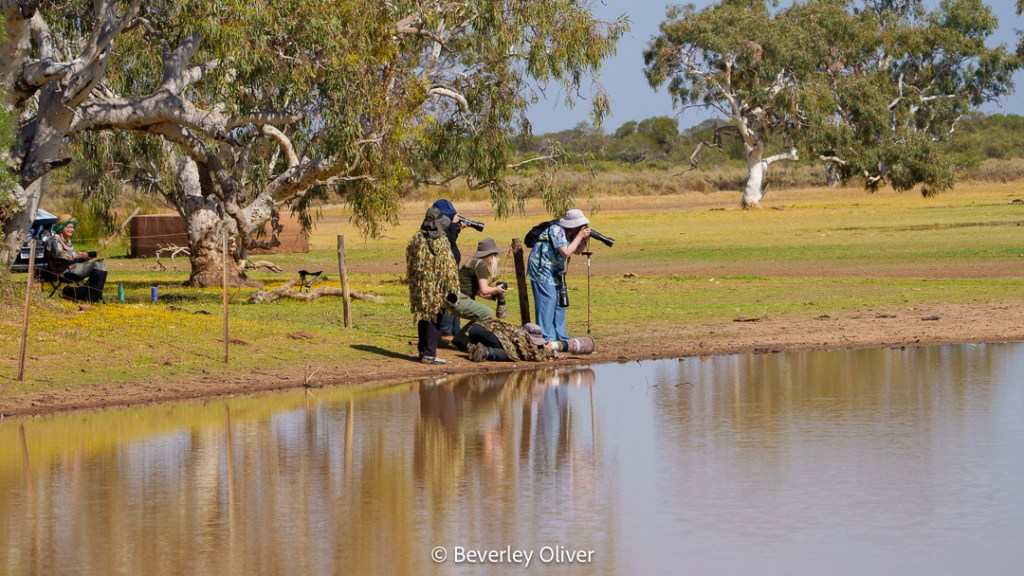
I was also impressed with Shelley’s and others’ use of camouflage jackets to get very close to the birds. We probably were a very odd looking bunch of shrubs to the birds in front of us, but they were too polite to chuckle at us.
AND THE BIRDS?
There were plenty about, and there was water in Wooleen’s very large lake, and the Murchison River was flowing impressively.
As well the chats, here are some of the birds I saw around the station. Orange chats were the main attraction, but there were plenty of other stars shining brightly. Click on any image to enlarge.


OTHER BONUSES…
David and Frances are more than just hospitable to guests – they have an educative mission. They want us to understand their quest to rehabilitate the land, and encourage the dingo as the apex predator who will keep overgrazing kangaroos at bay, and wipe out foxes. (Check out David’s book on the subject – it’s a good read.) See: https://wooleen.com.au/the-wooleen-way/
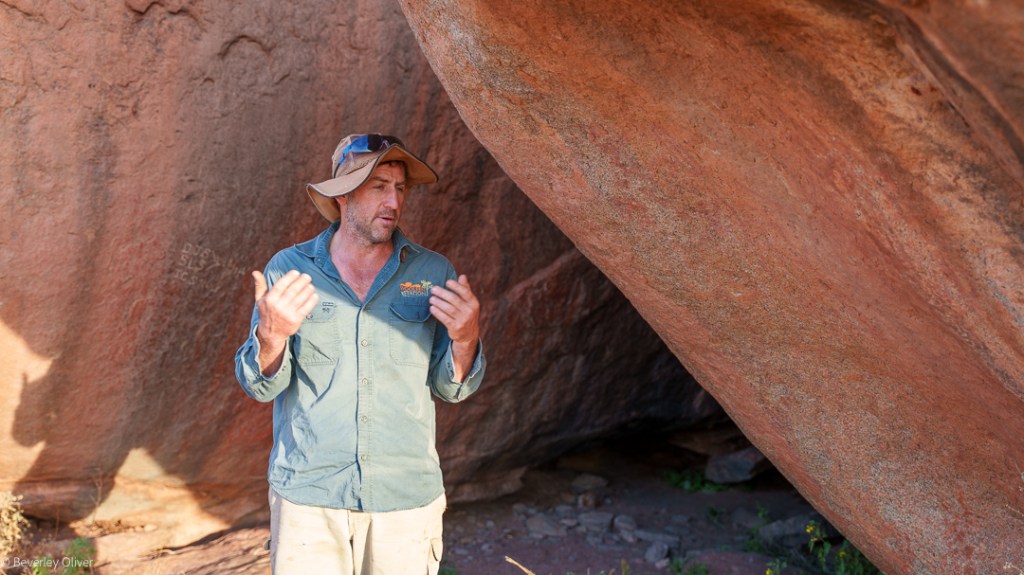
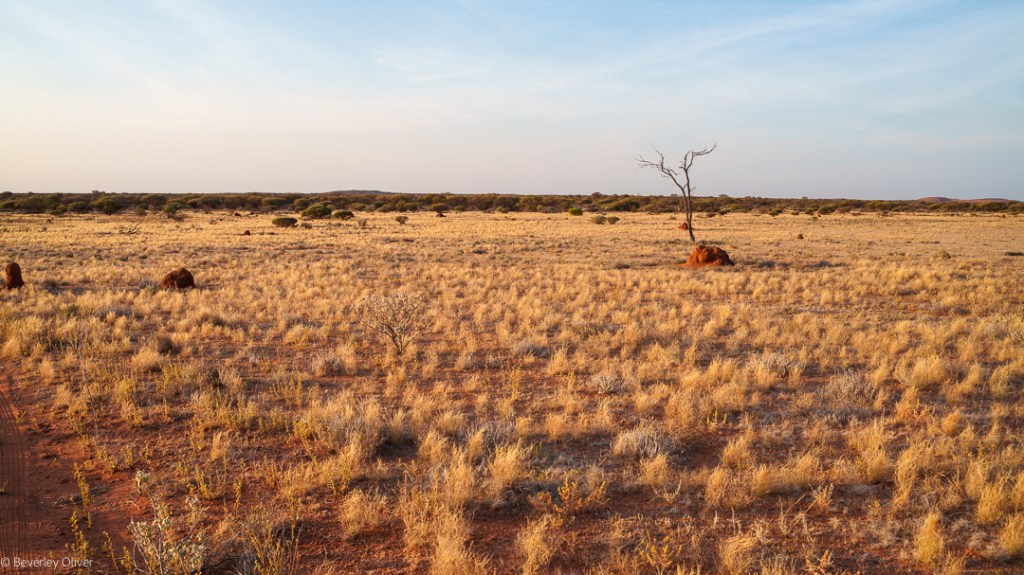
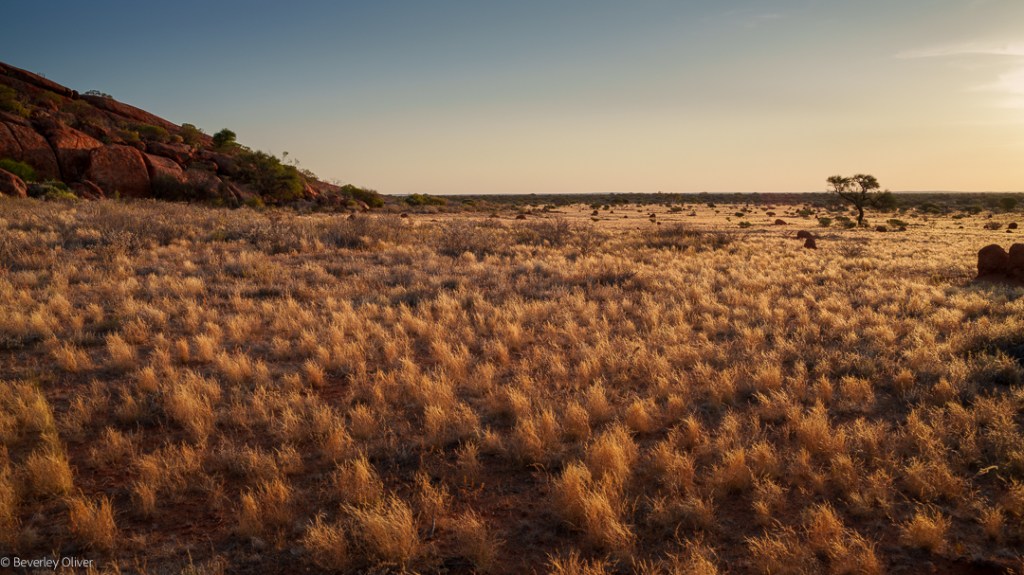
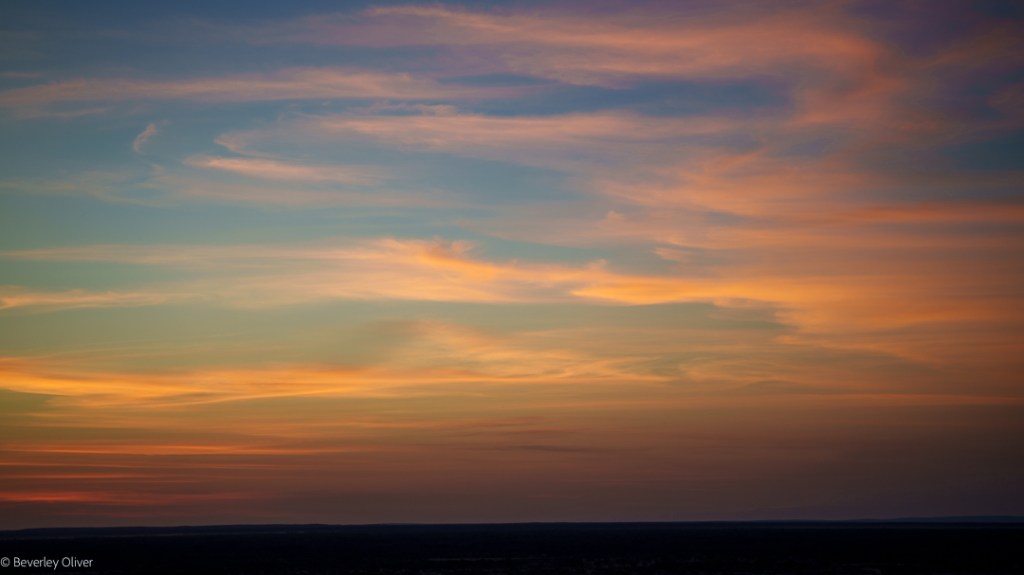
As part of the workshop package, we enjoyed the guided sunset tour during which David drove us out to a spectacular outcrop of significance to the local indigenous people – and en route he explained his rehabilitation quest in a very entertaining way.
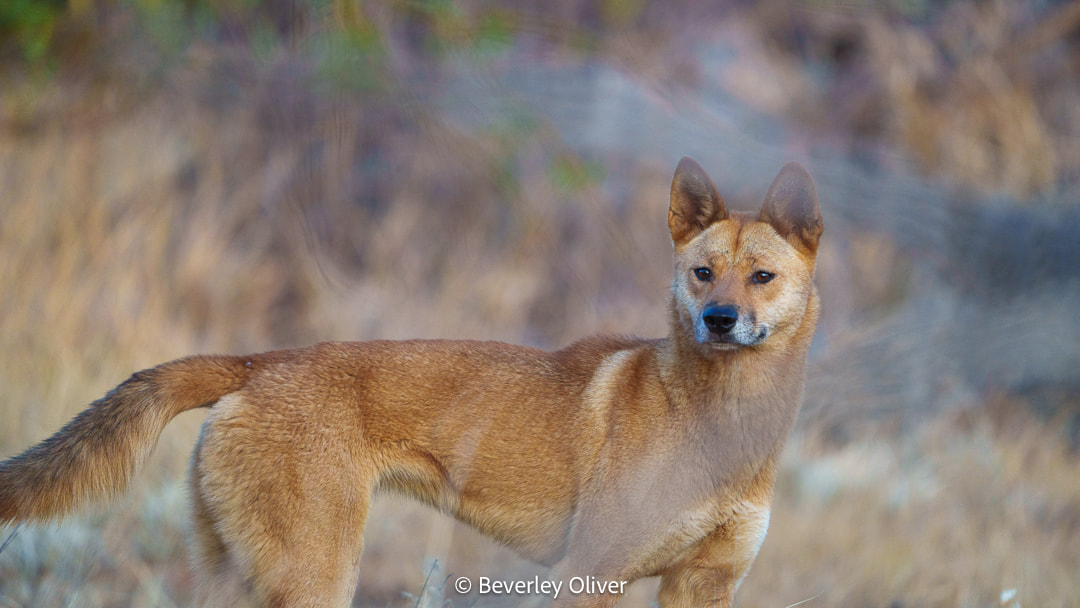
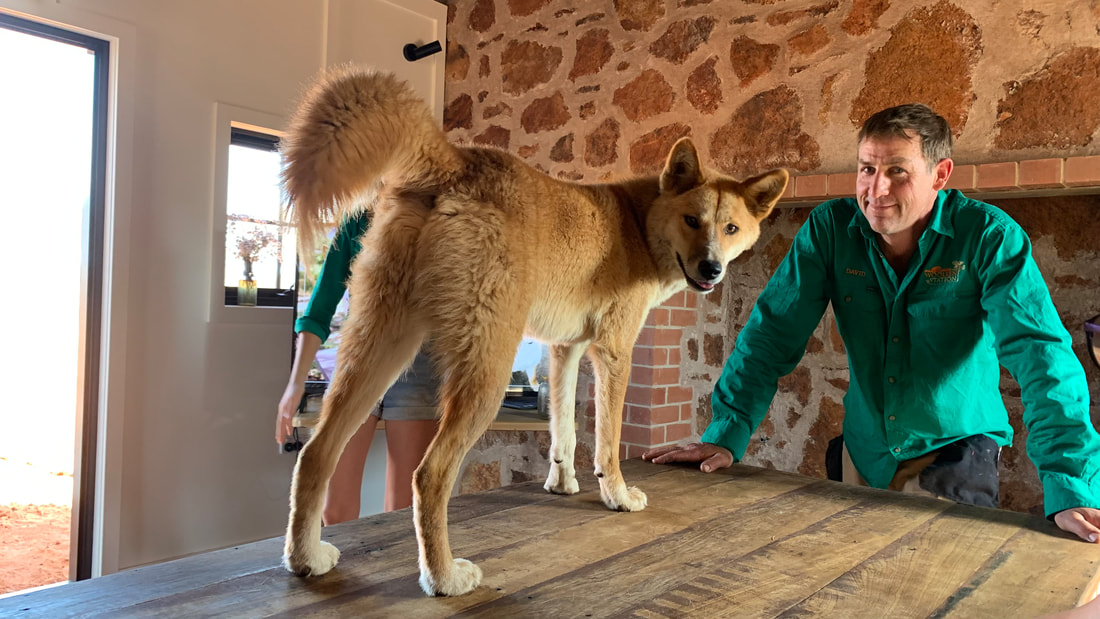
Likewise, we met Steve the dingo, as part a fascinating presentation from Zali. Steve is one of two dingos re-homed to Wooleen, and seeing Steve up close and observing his behaviour really made the dingo’s role very clear.
ALL UP…
My time at Wooleen was such a signature experience: the hospitality and the bird photography workshop were great and worth a return trip. But the land, the light and the creatures that call Wooleen home are the real stars of this show!


Leave a Reply