
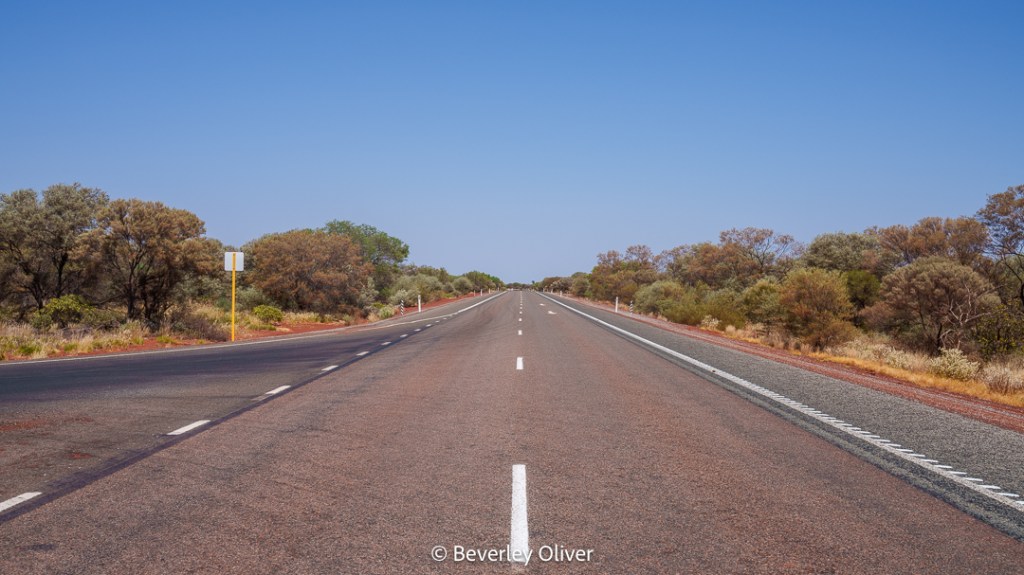
I left Wooleen Station where I had just done a bird photography course and headed east along a very good unsealed road towards Cue. There were frequent roadworks along the way, and those human encounters punctuated the solitude of this big open ochre country.
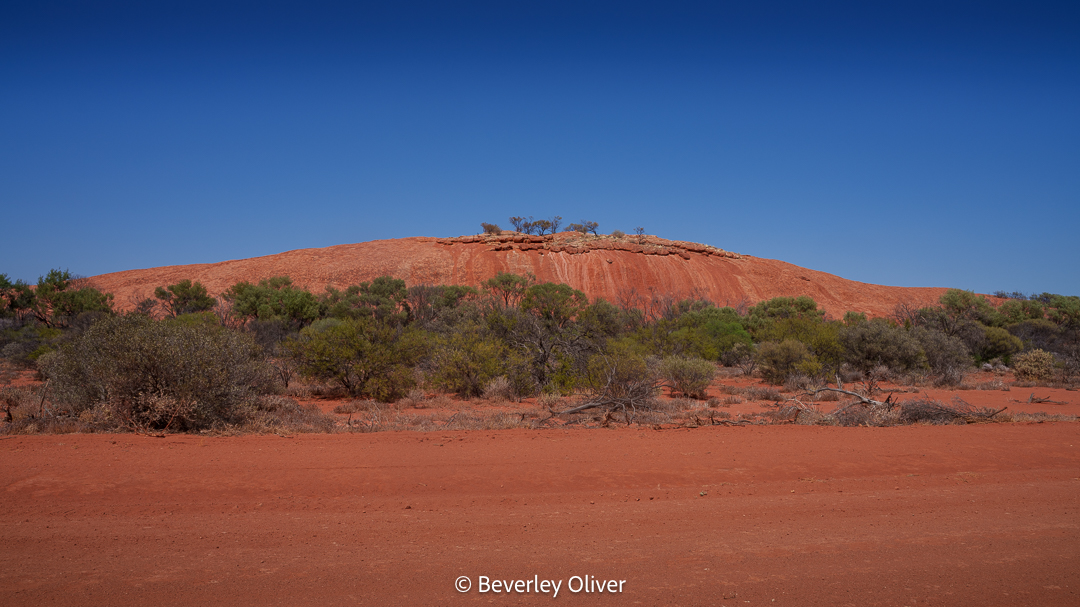
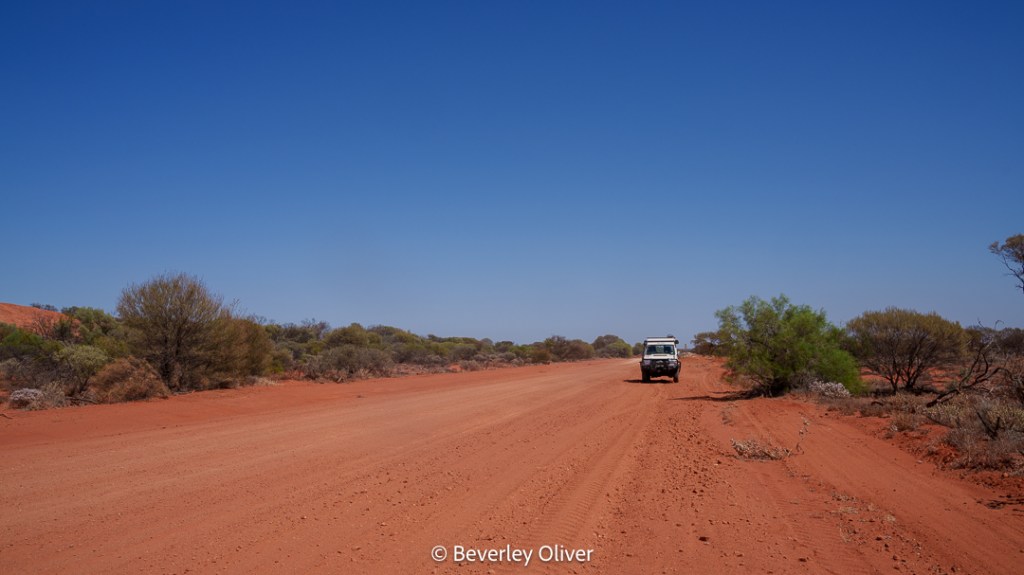
But soon enough, you’re back on the blacktop, pulling into the back blocks of Cue, a small gold rush town in the Mid West region of Western Australia, 620 km north-east of Perth (population less than 200).
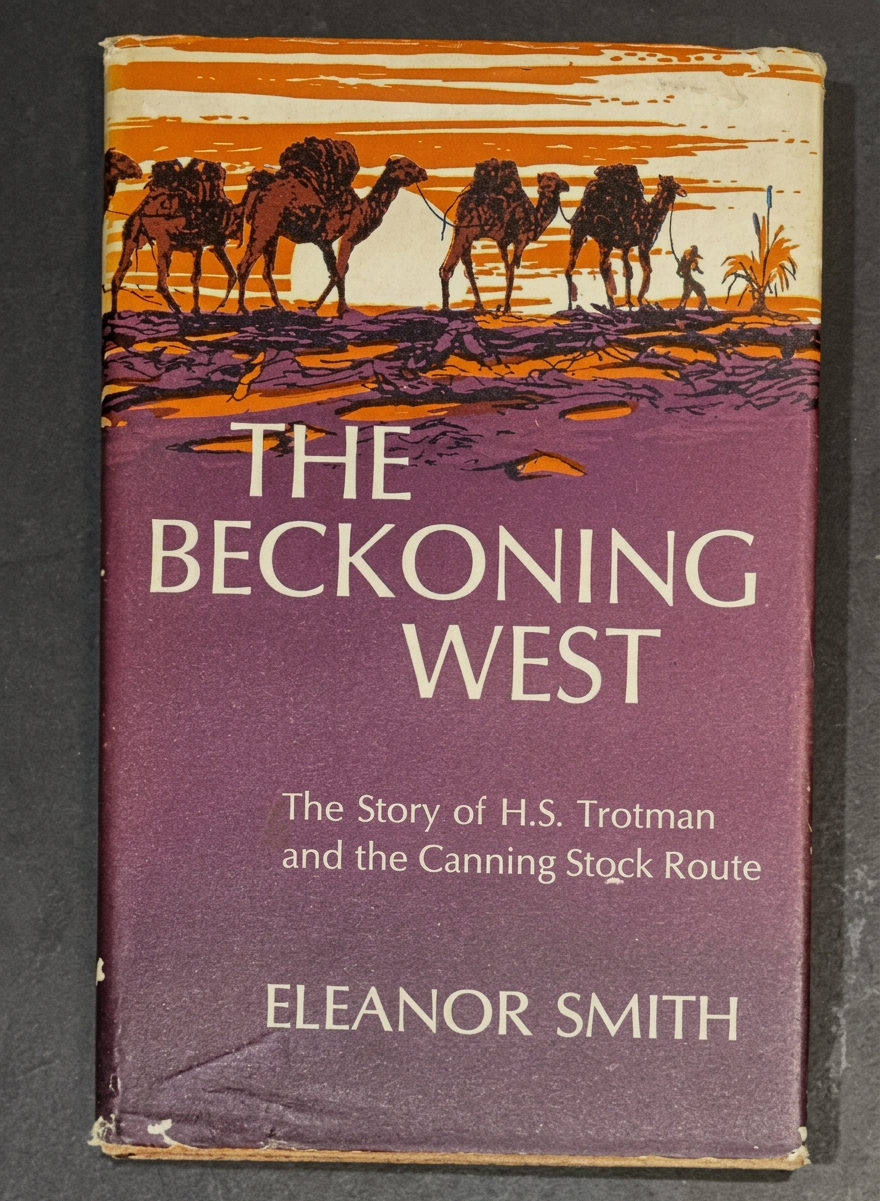
It was a thriving gold centre in its hey day, and a major thoroughfare for those heading north to build, fir example, the Canning Stock Route – for an excellent read, try this for a great read:
In Cue, fantastic historic buildings are still to be seen. It’s well-worth a stop here, not least because the sun brings out all the colour in the stonework of those lovely old buildings.


But my home for the next two nights was a little further north along the highway: Nallan Station is an easy ten kms beyond town, and very accessible from the highway. It has a small but excellent camp ground – and some terrific bird-watching spots at the various drinking troughs dotted around the property, as well as around Lake Nallan just slightly further north again.
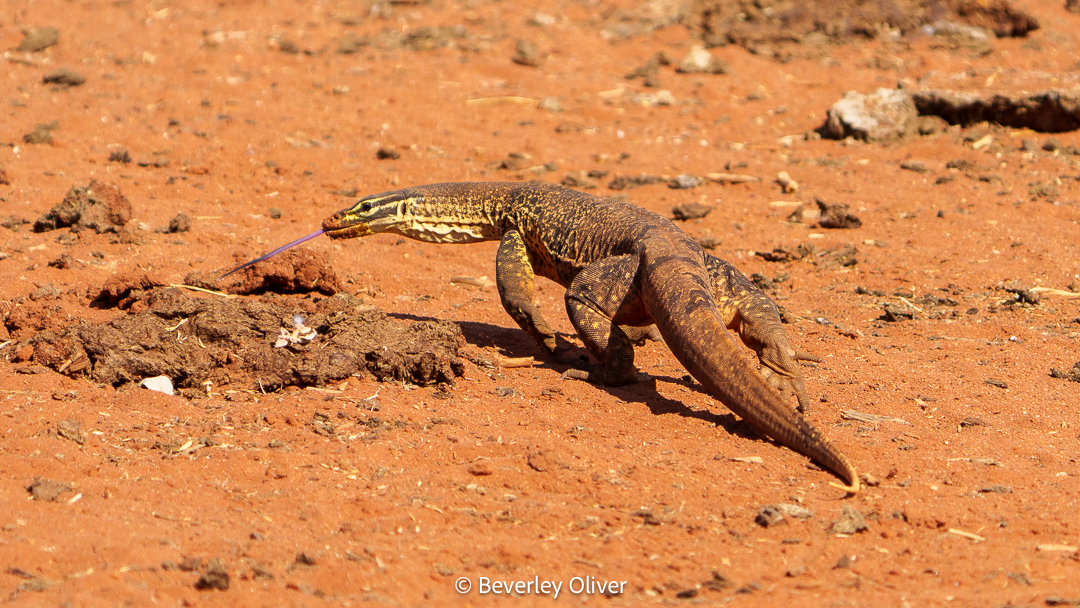
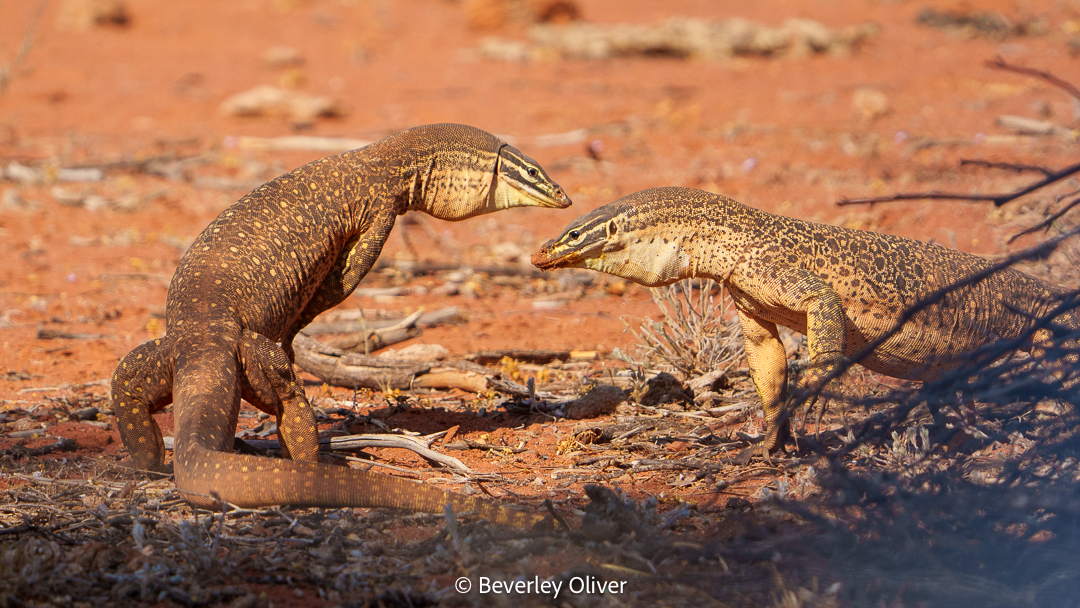
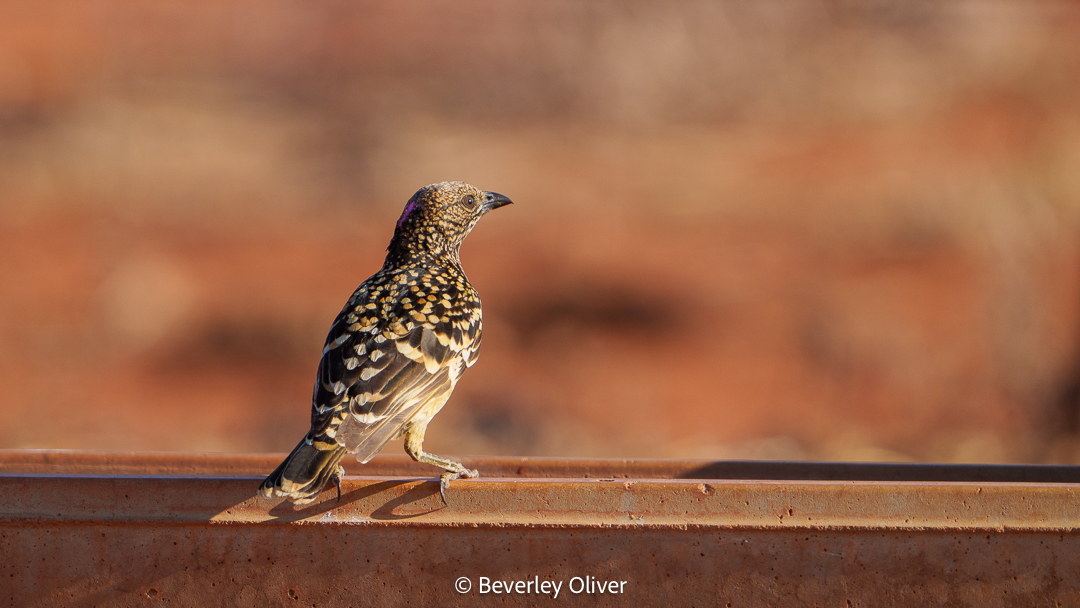
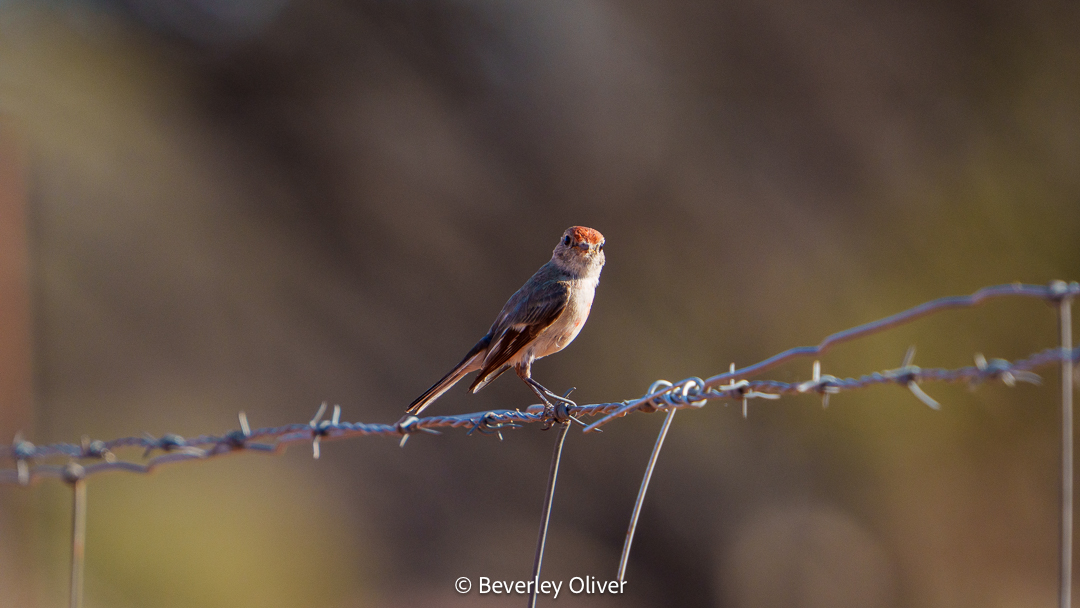
I spent many hours sitting in the Troopy at those drinking holes, watching the cattle amid the cow pats, and the lace monitors, waiting for birds – and especially Bourke’s parrots – to grace my lens. It doesn’t sound like much, but it was bliss to be out there in the red dust. No Burke’s parrots unfortunately, but plenty of flashing colours and feathered spectacles. It sure beats going to work!
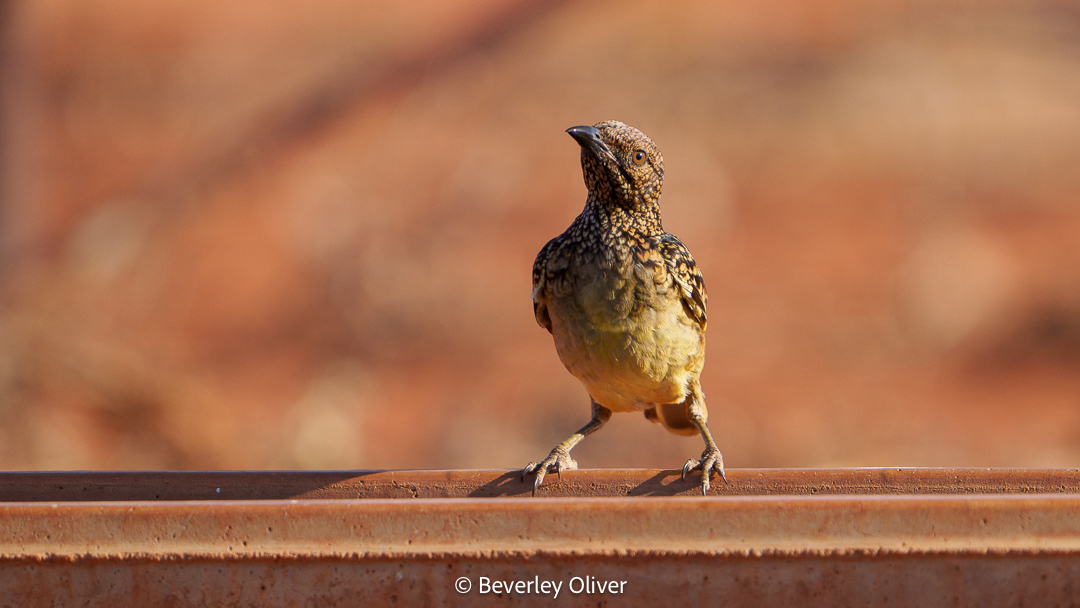
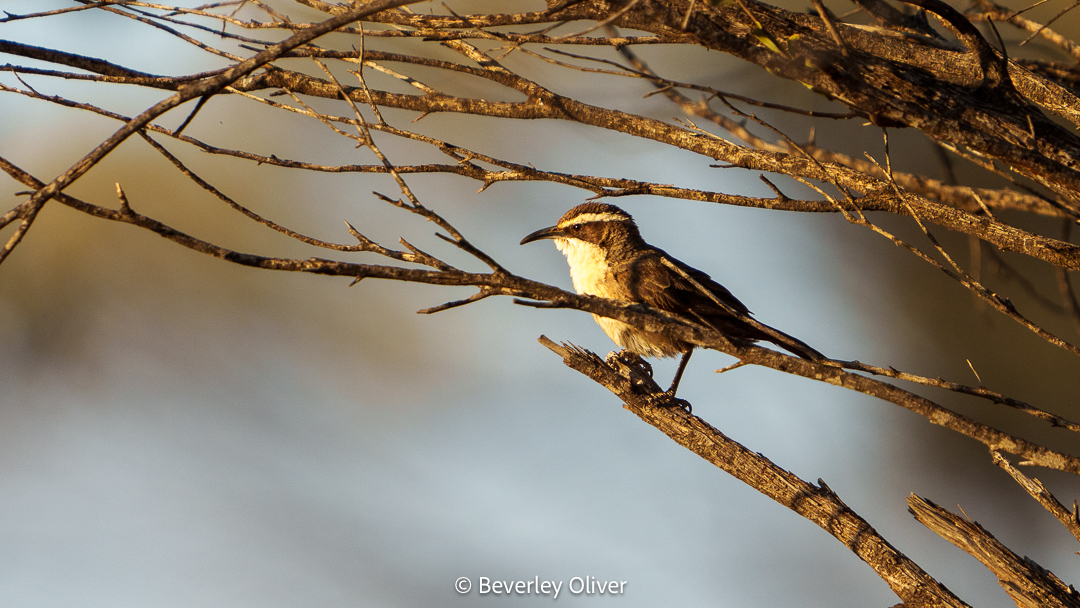
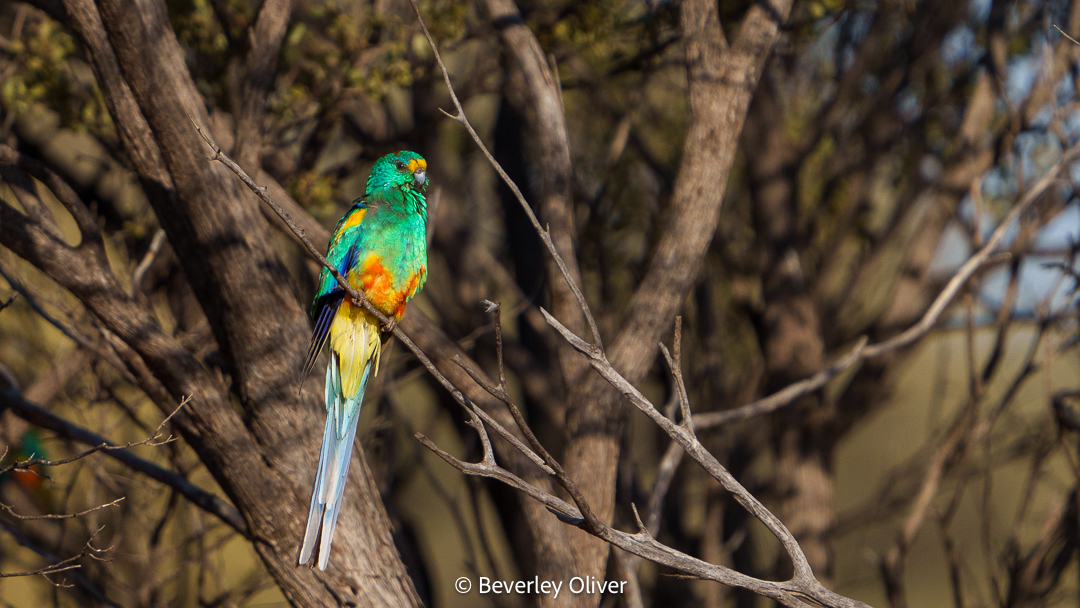
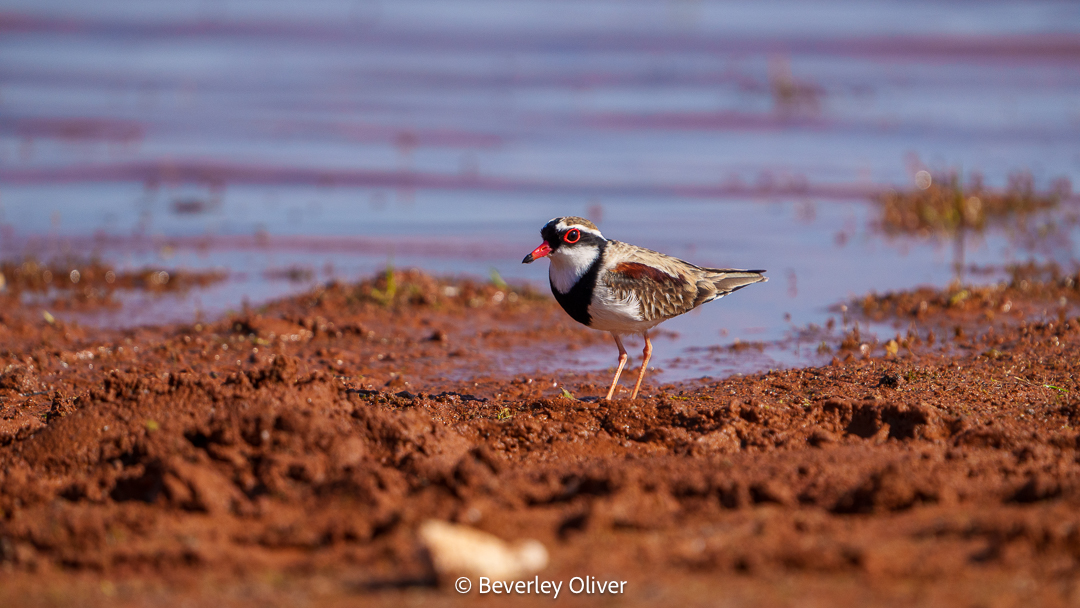
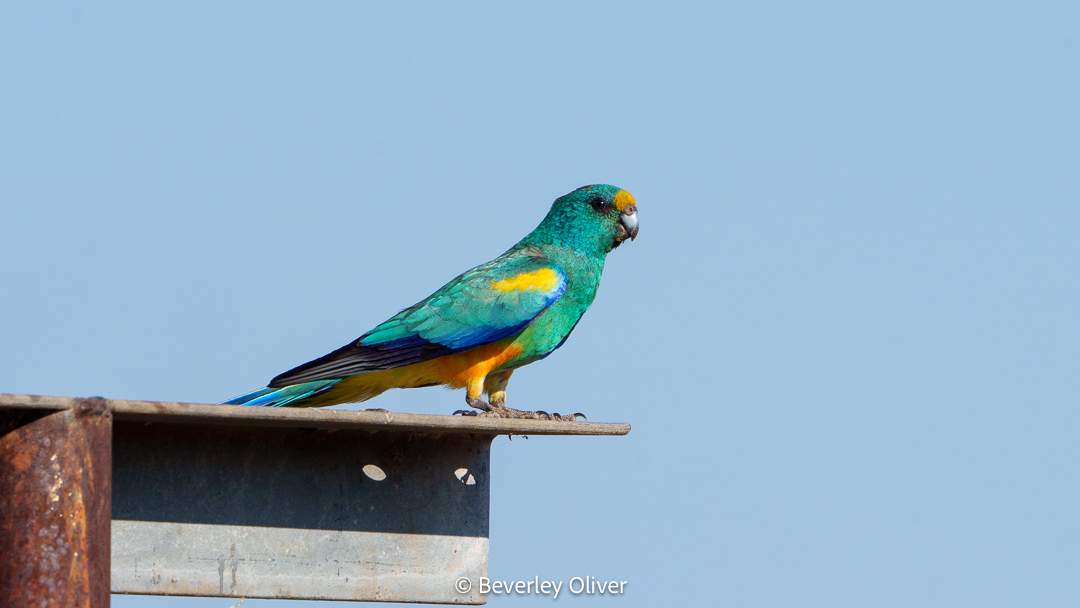
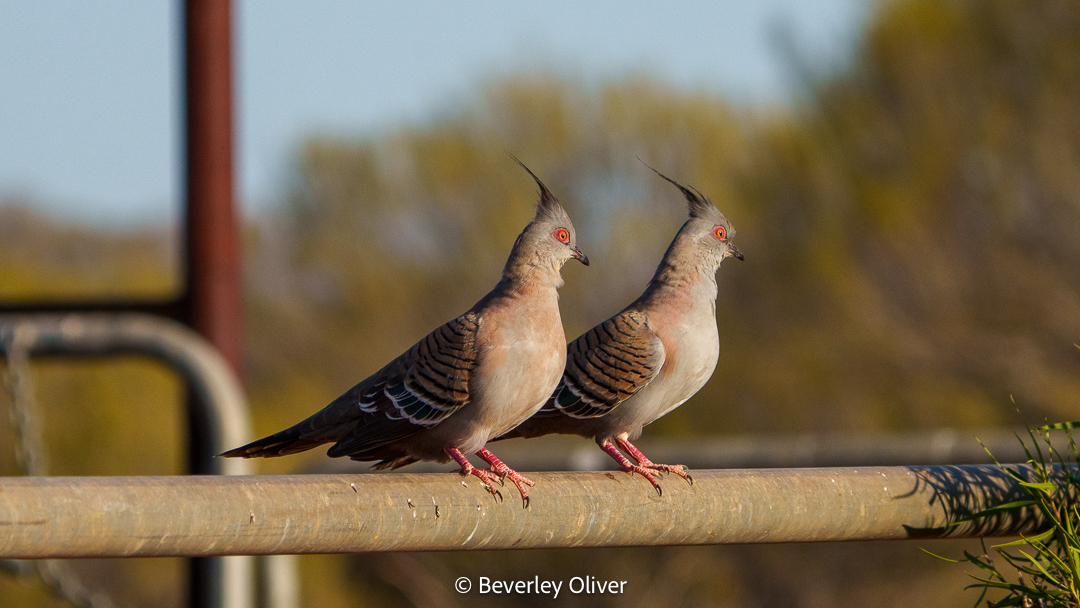
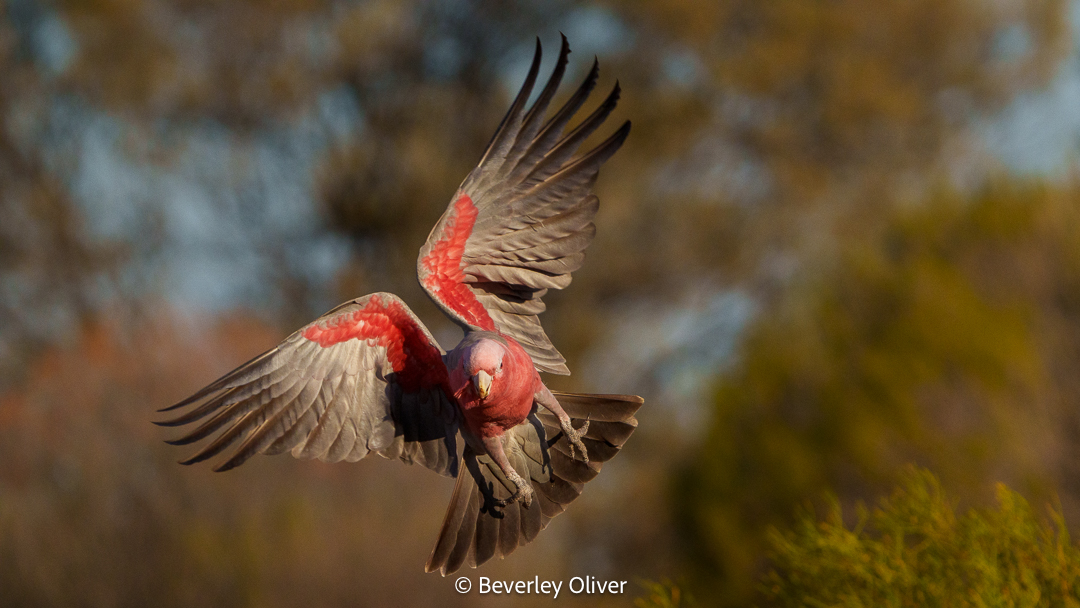
Here’s a round up of the days at Nallan…
NALLAN TO NEWMAN – WHERE THINGS STRAT TO GO PEAR-SHAPED…
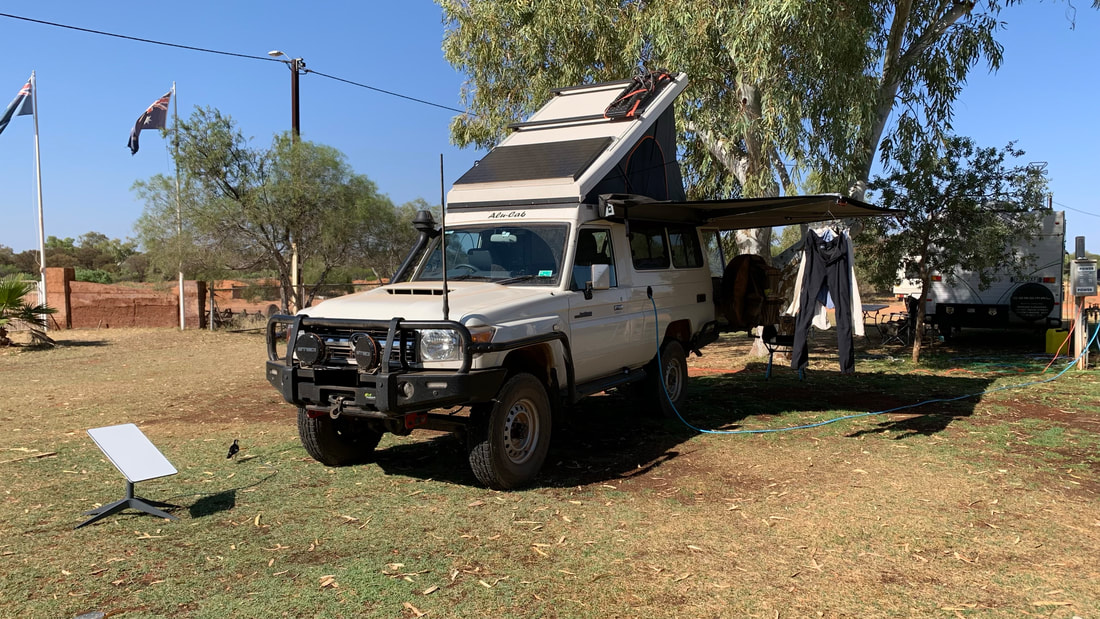
The Spring weather was absolutely superb, and I was so enjoying this drive. I pulled out of Nallan and headed north, driving this day to Karalundi, an indigenous-owned caravan park with powered sites:
Established in 2011, our park is an enterprise of Karalundi College, a Christian Aboriginal boarding school offering free education to Aboriginal students. Karalundi embodies a unique school community spirit amidst the remote landscapes of Western Australia, strictly adhering to alcohol, tobacco, and drug-free policies.
The Cafe wasn’t opened when I was there but the park was small and in excellent condition with great bathrooms and and a pristine camp kitchen. Probably one of the best stopovers I had, and a chance to refill the water tank and get some washing done.
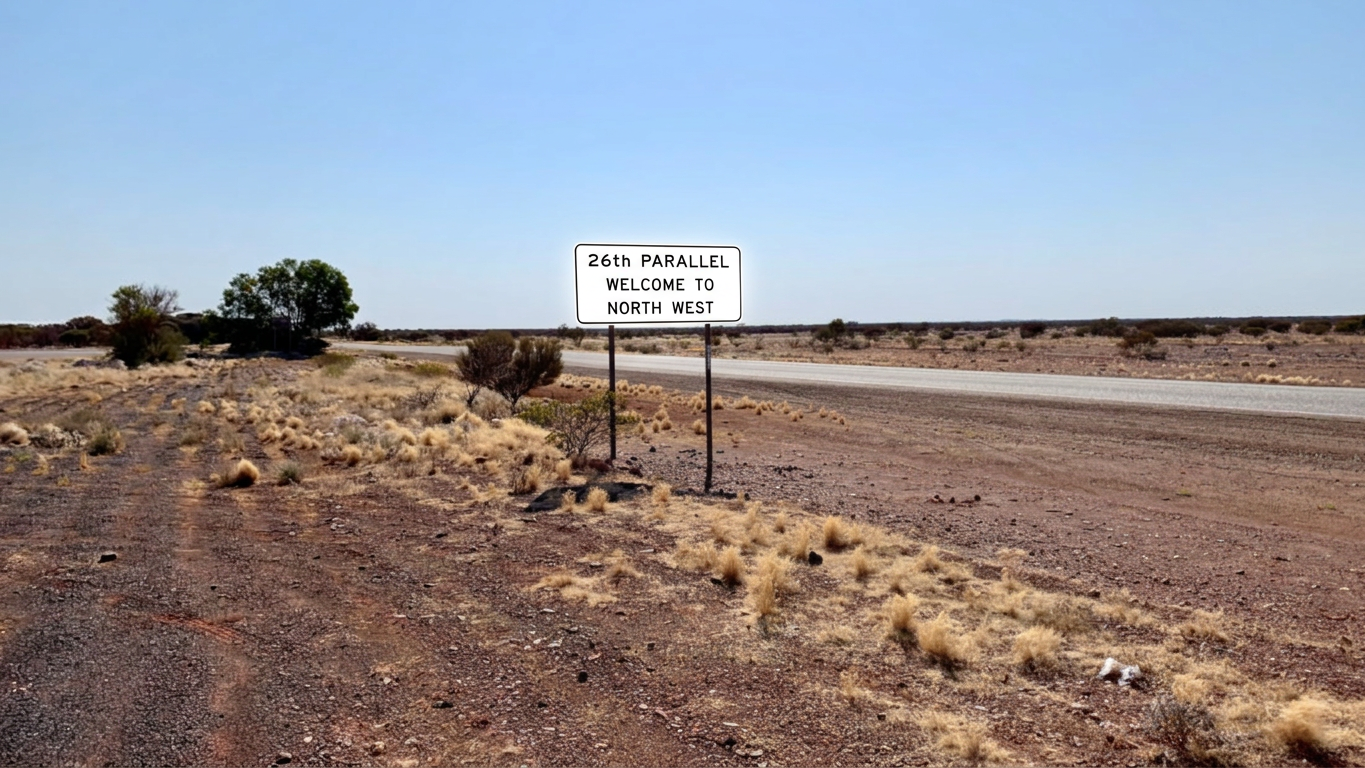
I headed off next morning, stopping for a photo op as I cross the 26th parallel:
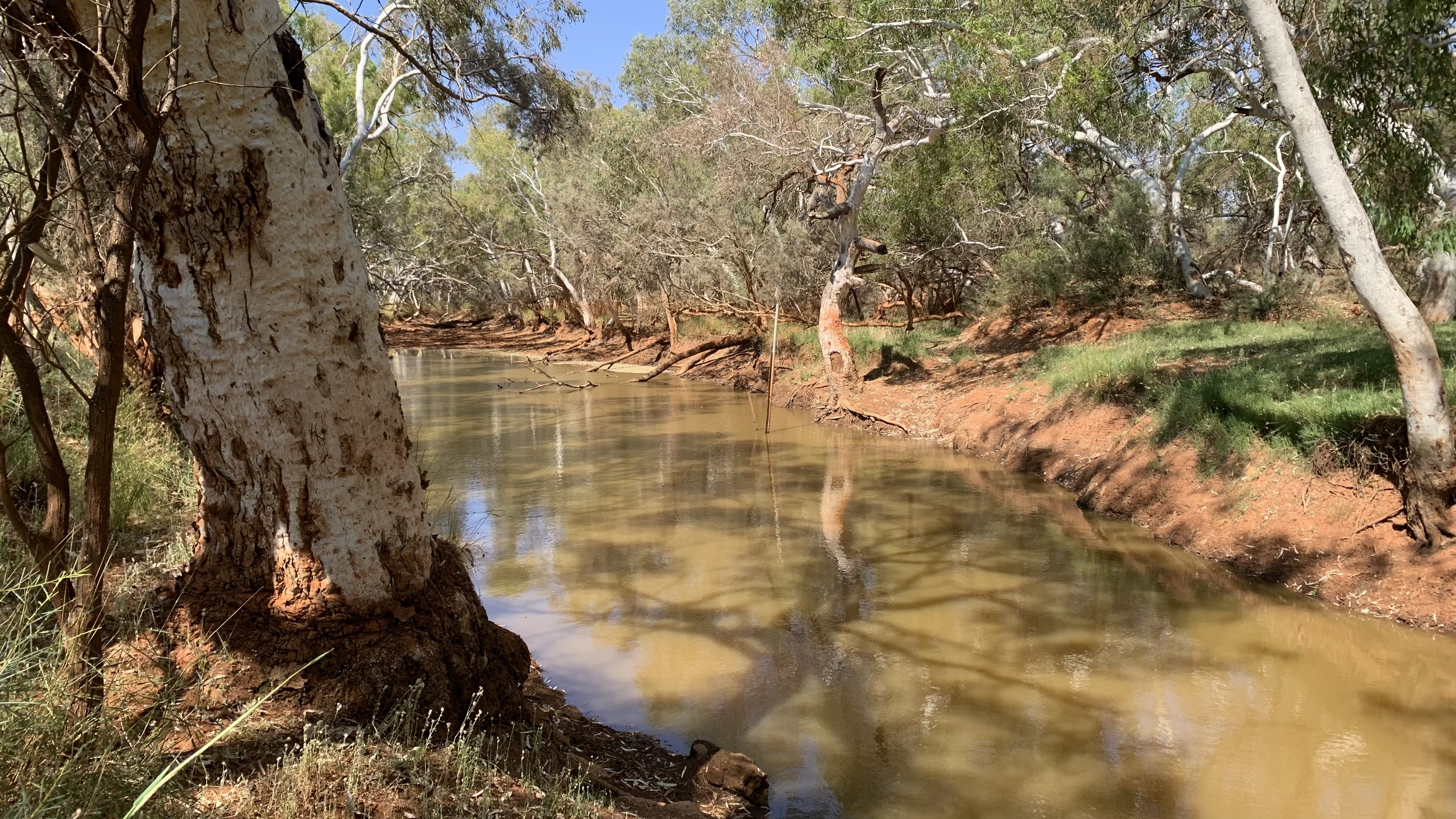
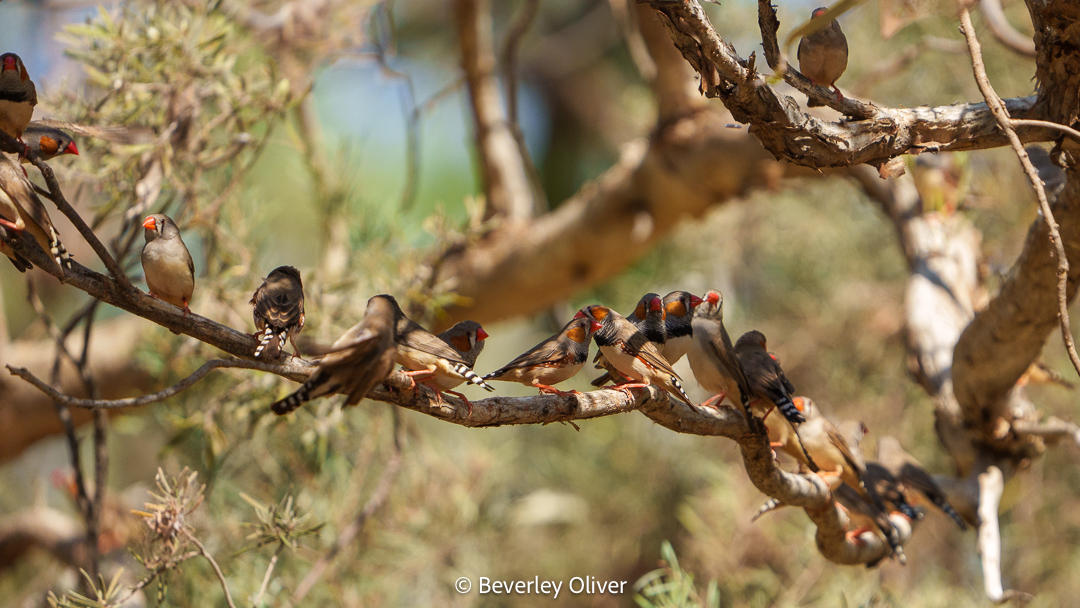
I pulled into a parking area some three hours further up the road, only to discover that this was an excellent billabong teeming with birds, especially zebra finches. Even though I had been driving through what seemed a very arid environment, here was a perfectly green and shady spot on the banks of the Gascoyne River.
I would have been unsurprised if a jolly swagman had pitched his tent nearby. I wandered about and enjoyed the break, and the birds. The coordinates for this spot are -25.578745, 119.238362, just south of the turn off to the Sandfire mine site.
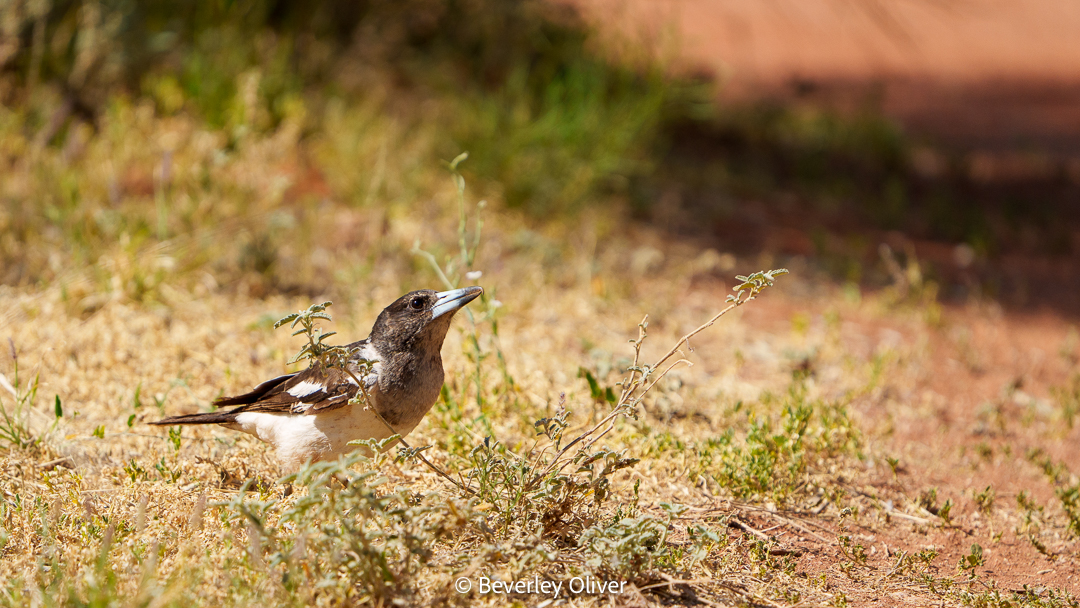
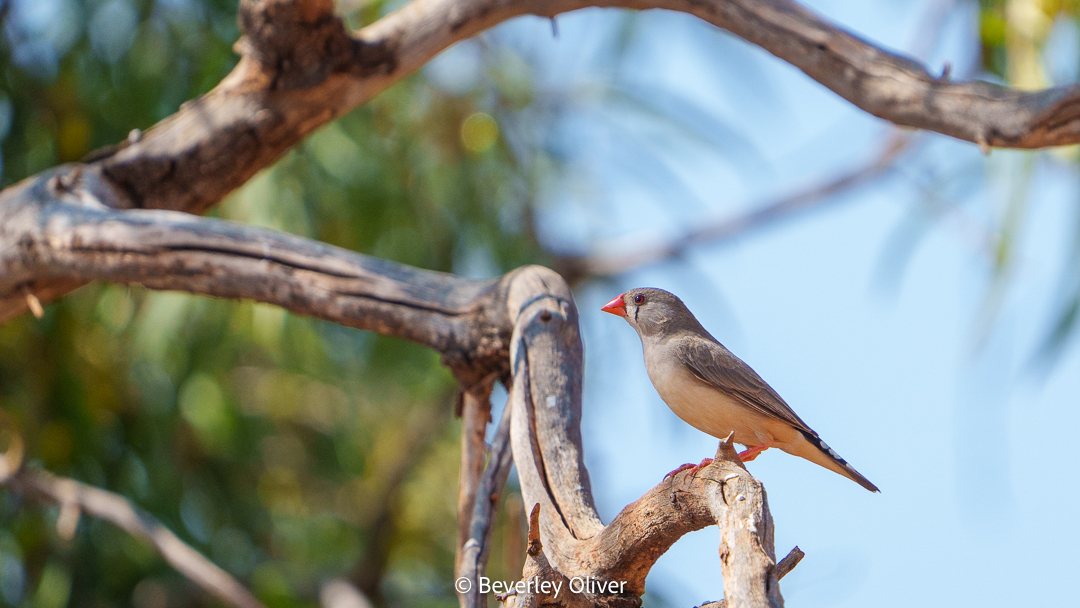
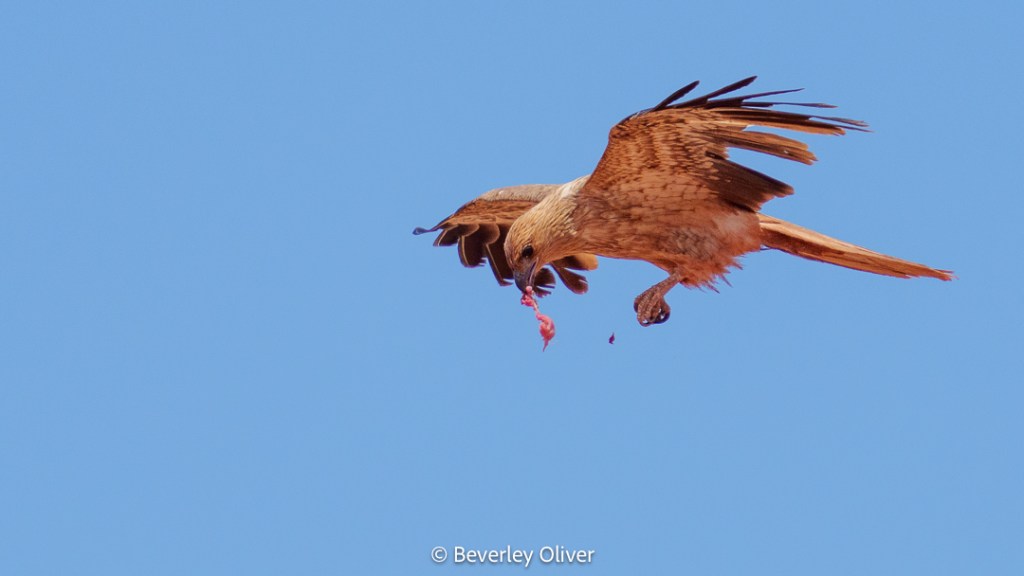
Apart from that, the drive was uneventful, save an encounter with two wedge-tailed eagles and a kite feasting on roadkill, and a kite having a mid-flight snack…
I rolled into Newman late in the afternoon, and I was reminded just how massive the mining endeavour is in the Pilbara. Even though I lived in the Pilbara many moons ago, the trucks, heavy vehicles and men in “hi viz” work gear are now impossible to ignore.
Newman is quite a large town, and quite scrappy in my opinion – the main shopping area is quite unkempt, and there was a slightly unsettling feeling about it. Even so, because I was planning to go to Karijini for the next couple of days, I headed to the supermarket and really lashed out on filling up the National Luna 50 with fresh produce and cold drinks – it was really coming out hot. Like, really hot. This shopping spree turned out to be a bad idea!
Worse still, the one caravan park in Newman is a community run but remotely managed square kilometre of shadeless bitumen. It was stinking hot, and even after the sun went down, we were sitting on a cauldron of searing macadam. It was probably the most soul-less place I have ever stayed in, let alone camped.
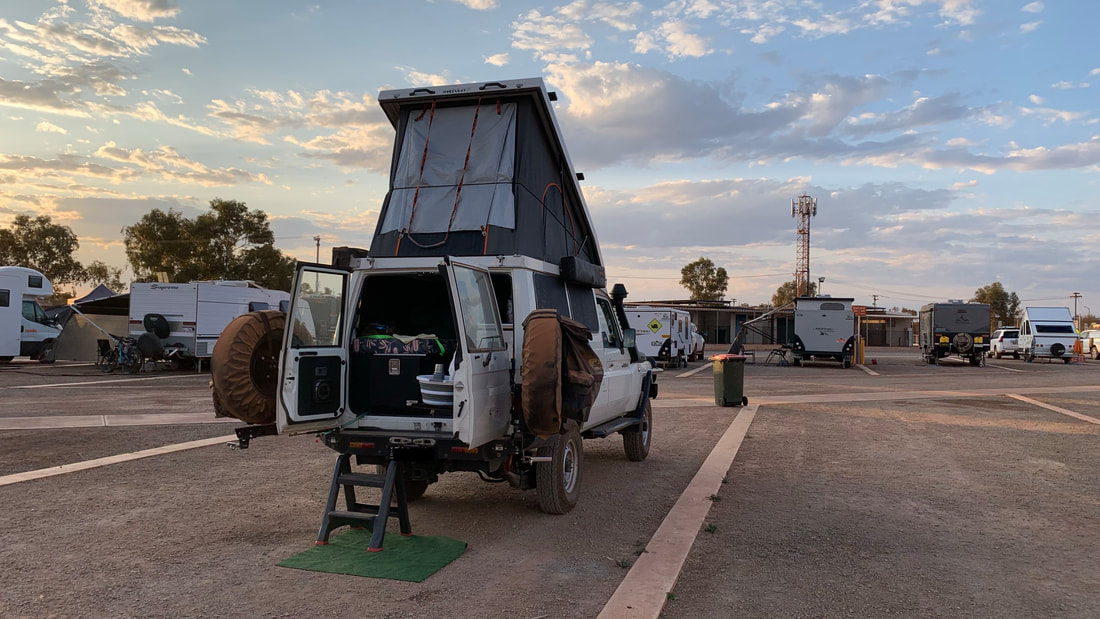
I unloaded the shopping, made dinner and spoke with some lovely neighbours travelling from Victoria, and tried to make the best of it, knowing I was out of here tomorrow.
Then things got worse: I noticed the temperature on the fridge was very slow to lower after I had had it open to stock the provisions…and as the evening progressed it just stayed at room temperature.
I knew something was very wrong, and not having a fridge during the next few searing days in Karijini was not going to be good. Towns are extremely few and far between up there, and most barely have the basics, never mind fridge repairs and the like. This was not a happy situation. . . and was only going to get worse!


Leave a Reply